SEO vs. PPC? Why Your Business Needs Both
Many business owners ask the same question. “Should I put my money into SEO or PPC?”. It sounds like a choice; one or the other. But in most cases, that’s not how it works. For small to medium-sized businesses, the best results often come when the two work together. SEO builds your presence over time. PPC brings results fast. When you combine them, they support each other and drive stronger results than either can on its own.
So, what are SEO and PPC?
First, let’s break down what these two terms mean.
PPC stands for Pay-Per-Click. This is paid advertising on search engines. You pay when someone clicks on your ad, and it gets you seen straight away. It’s great for bringing in traffic and leads fast. The price you pay for this will depend on the popularity of the keywords you are targeting, both from a search perspective and how many competitors in your industry are paying for them too.
SEO stands for Search Engine Optimisation. It’s all about improving your website so that people find you organically, without paying search engines for each click. It takes time, but it builds trust and brings in steady traffic over the long run.
The best SEO is created with a focus on Google’s quality guidelines, which reward trustworthy, helpful content often referred to as E-E-A-T (Experience, Expertise, Authoritativeness, and Trustworthiness). The better your content performs in those areas, the more likely it is to rank well.
Here are a few key elements of SEO that help build organic visibility:
- Keywords: These are the words and phrases people type into search engines. For example, if you’re a skip hire company, keywords like “cheap skip hire [your location]” or “book a skip online” would be relevant.
- Fresh content: Regular blog posts, updates to existing pages, or new service pages signal to Google that your site is active and helpful.
- Internal and external links: Linking to other relevant pages on your site and to trusted external sources helps Google understand your content and build authority.
- Image optimisation and alt attributes: Every image should have an alt tag, useful for SEO and accessibility.
- Meta descriptions: These short blurbs summarise each page and can impact click-through rates from search results.
- H1-H3 headers: These structure your content and make it easier for readers and search engines to understand.
- Word count: Long-form content (generally over 800–1,000 words) tends to perform better, especially when it’s well-structured and genuinely useful.
- Page Speed Insights: These are key performance metrics Google uses to assess user experience. This includes how fast your site loads, how quickly it becomes interactive, and how visually stable it is during loading. A slow, jumpy website can negatively impact rankings and frustrate users, so it’s important to keep it optimised and running as quickly and as smoothly as possible.
Why Integrate SEO and PPC?
When SEO and PPC work together, the impact is much bigger than using either one on its own.
- More visibility: Showing up in both the ads and the organic results means you have double the space in search engine result pages. This increases your chances of getting visitors to your website.
- Quicker insights: PPC gives instant data on what people search for and what journey they take on your website. That information can guide your SEO work.
- Identifying keyword gaps: Perhaps your visibility is weak for certain keywords on the SEO front. PPC can help fill these gaps, making sure you have visibility across the board.
- Test, test and test! Ads give fast feedback on which headlines and descriptions get the best response. Those learnings can then shape your SEO content.
- Audience targeting: With PPC, it’s not just about the search results. You can target specific audiences based on demographics, search intent, behaviour, and remarketing lists. Campaign types like Display Ads and Performance Max make it possible to stay in front of people at different stages, even when they’re not actively searching.
Costs & ROI
With SEO, you don’t pay for each click. The main cost is the time and effort it takes to create content, improve your website and keep it in good shape. The results tend to build slowly, but the traffic you gain can keep coming in without extra spend once your pages rank well.
PPC is slightly different. You set a budget and pay search engines every time someone clicks on your ad. It can feel more expensive, but it also gives results very quickly. When it’s managed well, PPC can be a very controlled way to bring in leads because you can track exactly what you spend and what you get back. Unlike the old school way of placing an expensive advert in a newspaper or magazine, you can also see exactly what PPC ads are working for you, and the value for money you are receiving.
Think of SEO like buying a house. It takes more time and effort at the start, but once you’ve done the work you own something that keeps giving value without extra payments each month. PPC is more like renting. You get the space straight away, but you must keep paying to stay there. For many businesses, a mix works best. PPC gives you quick wins while SEO builds a presence that lasts.
Why Run SEO and PPC Side by Side?
The biggest reason we recommend running SEO and PPC together is simple. PPC brings in traffic while you wait for SEO to do its job. SEO can take time, weeks or even months to climb the rankings. PPC, on the other hand, works instantly. You can start getting clicks, visits, and leads the same day your campaign goes live.
That’s why many businesses start with PPC while their SEO is still building. Once SEO picks up, they keep both running because it gives them double the traffic. You capture users who click on paid ads, and you also reach those who prefer to click on organic results. You’re covering both bases.
PPC Is More Than Just Search Ads
It’s also worth knowing that PPC isn’t just about showing up in Google’s search results.
With campaign types like YouTube Ads, Display Ads, Performance Max, and Demand Gen, you can reach people beyond the search page. These campaigns follow users across the web based on what they’ve searched for, what they’ve watched, and where they’ve been online.
Here are a few key campaign types and how they work:
- YouTube Ads: Video ads shown before or during YouTube content. Great for brand awareness and storytelling.
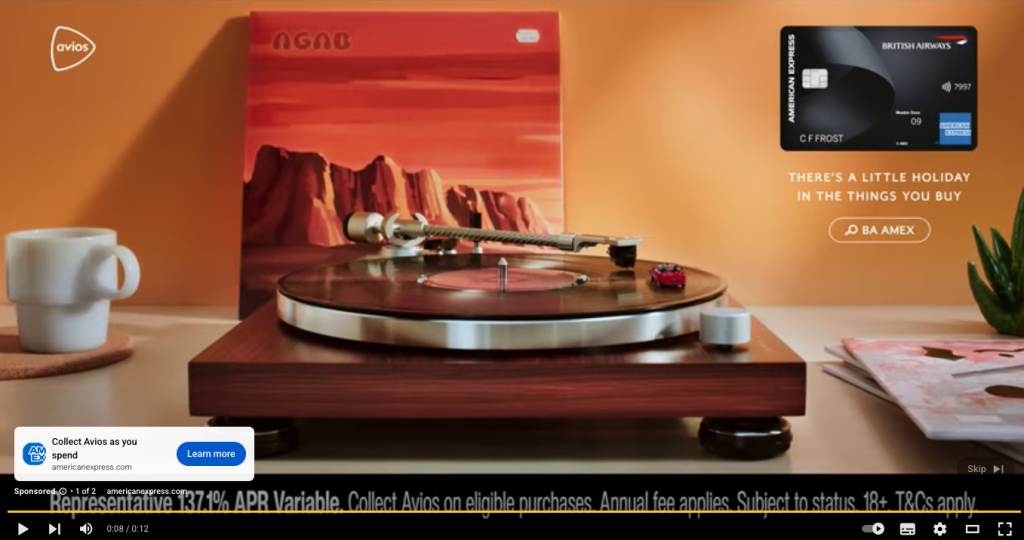
- Display Ads: Display Ads:Banner ads that appear on websites across Google’s Display Network, for example, on news sites like The Guardian or lifestyle blogs related to your industry. Ideal for staying visible to potential customers who may not be actively searching your services or products directly but are browsing related content.
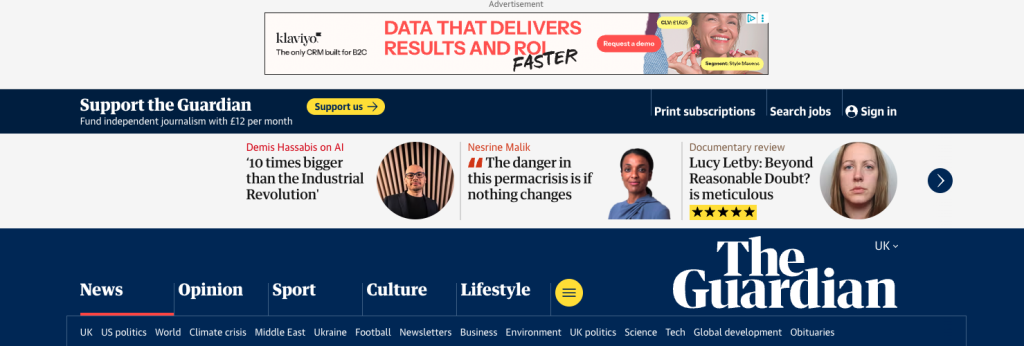
Image Credit: The Guardian
- Performance Max (PMax): A goal-based campaign type that uses automation to show your ads across all Google channels (Search, Display, YouTube, Gmail and more) based on what’s most likely to drive
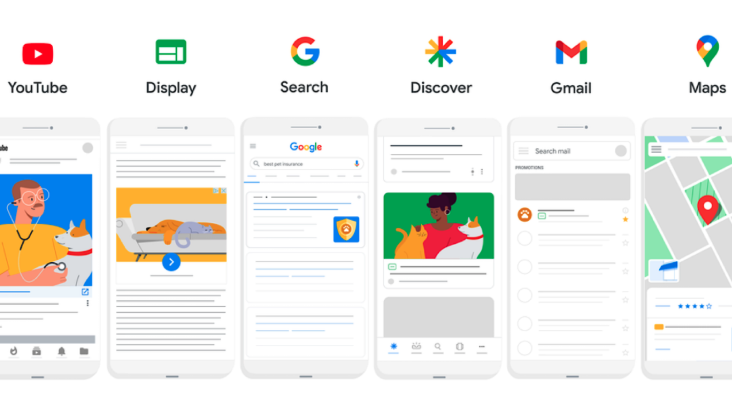
- Demand Gen: A new campaign format designed to generate interest and demand using rich visual creatives across YouTube, Discover, and Gmail. Great for top-of-funnel awareness.
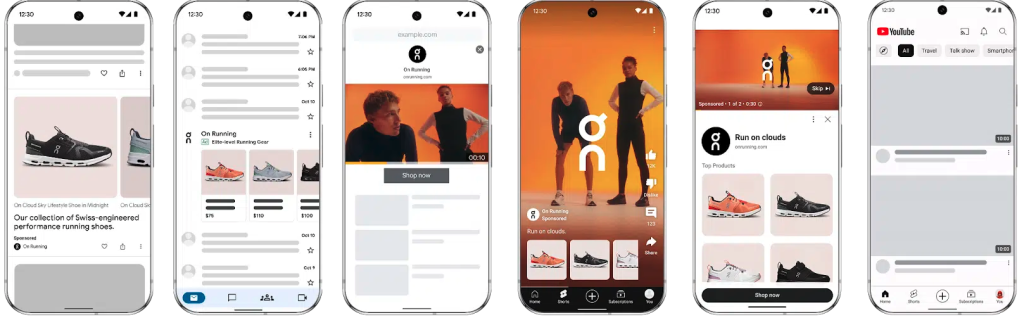
This means your brand shows up at key points in the customer journey, not just when someone’s actively searching, but also when they’re watching videos, browsing websites, or checking their email. You can use tools like audience targeting, remarking lists (retarget people who have already been to your website), and predictive search behaviour to reach people at different stages of the buying process.
This kind of visibility is especially valuable for small and medium-sized businesses. It helps you stay in front of potential customers, remind them what you offer, and gently guide them back when they’re ready to buy.
Common Challenges and How to Overcome Them
Bringing SEO and PPC together can be tricky, especially if you’re running a business with limited time and budget. You don’t need to spread yourself thin. Focus on the keywords that matter most and review your campaign regularly, so it works alongside your SEO.
Another challenge can be limited time. Many smaller teams simply don’t have the resource to manage both channels. In this case, using the right tools or working with a trusted agency can make a big difference.
Need help with syncing SEO & PPC?
At Brace, we’ve seen first-hand what happens when businesses bring SEO and PPC together. One of our clients in the home improvement sector saw website traffic increase by 93% and leads jump by 53% in just three months once both channels were working side by side.
For small and medium-sized businesses, this joined-up approach of using pay-per-click advertising and search engine optimisation can make a real difference. It gives you more visibility, more of the right visitors, and a better return on your marketing spend.
Ready to see what this could do for your business? Talk to the team at Brace Creative Agency. We’ll help you create a combined plan that gets results. Contact us today!