You’ve invested time and budget into your website. It looks the part, its attracting visitors, and it reflects your brand, yet enquiries are slow and conversions aren’t stacking up. Sound familiar?
We see this a lot. Most of the time the issue isn’t traffic, it’s what happens after user’s land. Even if your SEO is strong, a website that doesn’t convert can completely undermine your wider digital marketing efforts.
So, what’s the good news? 9 times out of 10 it’s the same issues that pop up and with the right insight, they can be fixed. Below we have compiled 6 of the most common CRO (Conversion Rate Optimisation) problems we say day to day and how to fix them.
Your message isn’t landing clearly.
When someone does land on your website, they should immediately understand a few key things:
– What you do
– Who you help
– Why you’re worth choosing
If that isn’t clear within the first few seconds, visitors will often bounce. Vague headlines, generic copy, or overly technical language can all lead to confusion. Your audience shouldn’t have to work hard to understand your business’ value.
Strong websites lead with a clear benefit statement, relevant imagery, and direct call to actions. This usually means stripping things back and saying more about the problems your business can solve and the results you deliver.
But, what next?
Even engaged users won’t convert if they’re unsure what to do next. We often see websites with the same issues:
– Weak CTAs
– Too many CTAs
– Unnecessarily long contact forms
If the user journey isn’t clear and easy to complete, your audience will likely hesitate. Every page should have a job to do. Whether the goal is to generate an enquiry, purchase, call or download, the next step needs to feel easy. Clear calls to action and lower-friction forms make a significant difference here.
Your website doesn’t have enough trust
Trust is a huge factor in generating conversions, particularly for service led B2B sectors. If your website doesn’t provide reassurance, users may be interested, but not confident enough to make an enquiry.
Missing or low reviews/testimonials, limited case studies, unclear processes, or a lack of social proof can all create doubt.
Client feedback, examples of your work, and a clear explanation or walkthrough of how you operate all help reduce uncertainty for your audience. If someone is considering getting in touch, they need to feel confident that your business can deliver.

Technical markers are holding your website back
Slow load times, poor mobile performance, cluttered layouts, or confusing navigation can easily frustrate users. Even small usability issues can significantly impact conversion rates.
With the web landscape now accessible to a plethora of devices, having a website which performs quickly and efficiently on all device types is essential.
Websites that convert well tend to have a few things in common. Pages load fast, navigation is intuitive, and key information is clear. When the experience feels smooth, users are far more likely to keep moving towards action.
You’re attracting the wrong visitors
High traffic numbers don’t always equal a high number of enquires. If users aren’t converting or perhaps have a short duration time it may be because they are not the right fit for your offering.
This often happens when SEO, PPC, or content strategies focus on volume rather than intent.
In these cases, the problem usually starts before the user even lands on the website. If your strategy is too broad, you’ll attract people who were never likely to convert in the first place. Better enquiry performance usually comes from attracting the right audience, not just a bigger one.
You’re not using data effectively
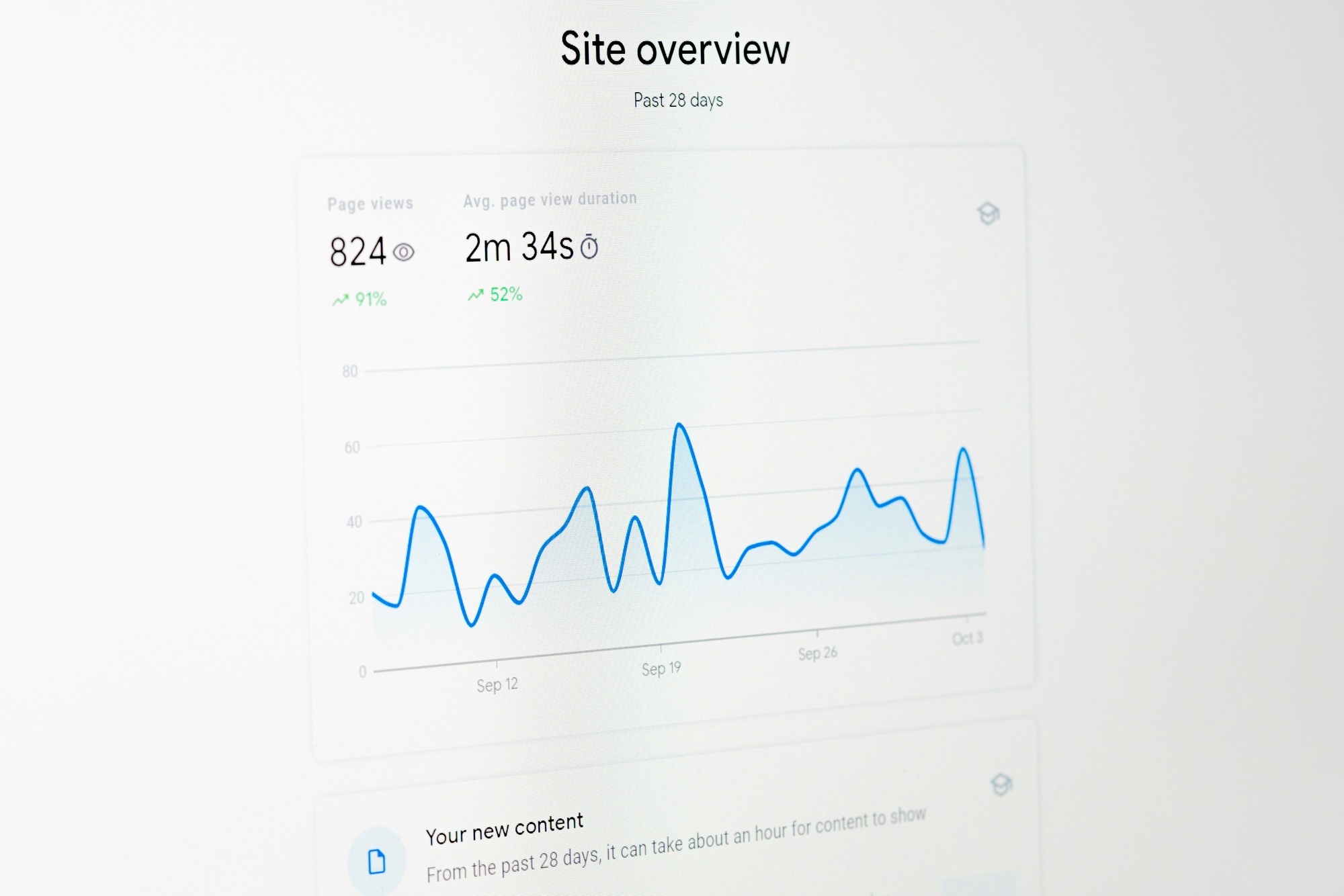
Without clear insight into how users behave on your site, it’s difficult to understand what’s working and what isn’t. Relying on surface level metrics alone can mask important conversion blockers.
A rise in traffic might look positive on paper, but it doesn’t tell you much on its own. If users are landing on the wrong pages, dropping off quickly, or failing to take the next step, traffic becomes a vanity metric rather than a measure of performance.
This is where good data becomes essential. Having the right tools set up allows you to look for more valuable signals:
– Behaviour patterns
– Scroll depth
– Exit points
– Section hotspots
These give you a much clearer picture of where people are dropping off and why. You may find that users are abandoning forms halfway through, leaving key service pages without scrolling, or failing to engage with the sections you assumed were most important.
That kind of insight is what turns data into action. It helps you spot friction, challenge assumptions, and make more informed decisions about what to refine. The most effective optimisation work is grounded in evidence, not guesswork.
Turning visits into real results with CRO
With the right approach to improving your conversion rate, your site can become one of your strongest business growth tools.
At Brace, we take a performance led view of websites. We look beyond design and into the data to understand how users behave, where opportunities are being missed, and how small strategic changes can deliver meaningful results.
If your website isn’t converting as it should, we’d love to help. Whether it’s a full CRO review or targeted improvements, we’ll help you turn traffic into enquiries and make your website works harder for your business.