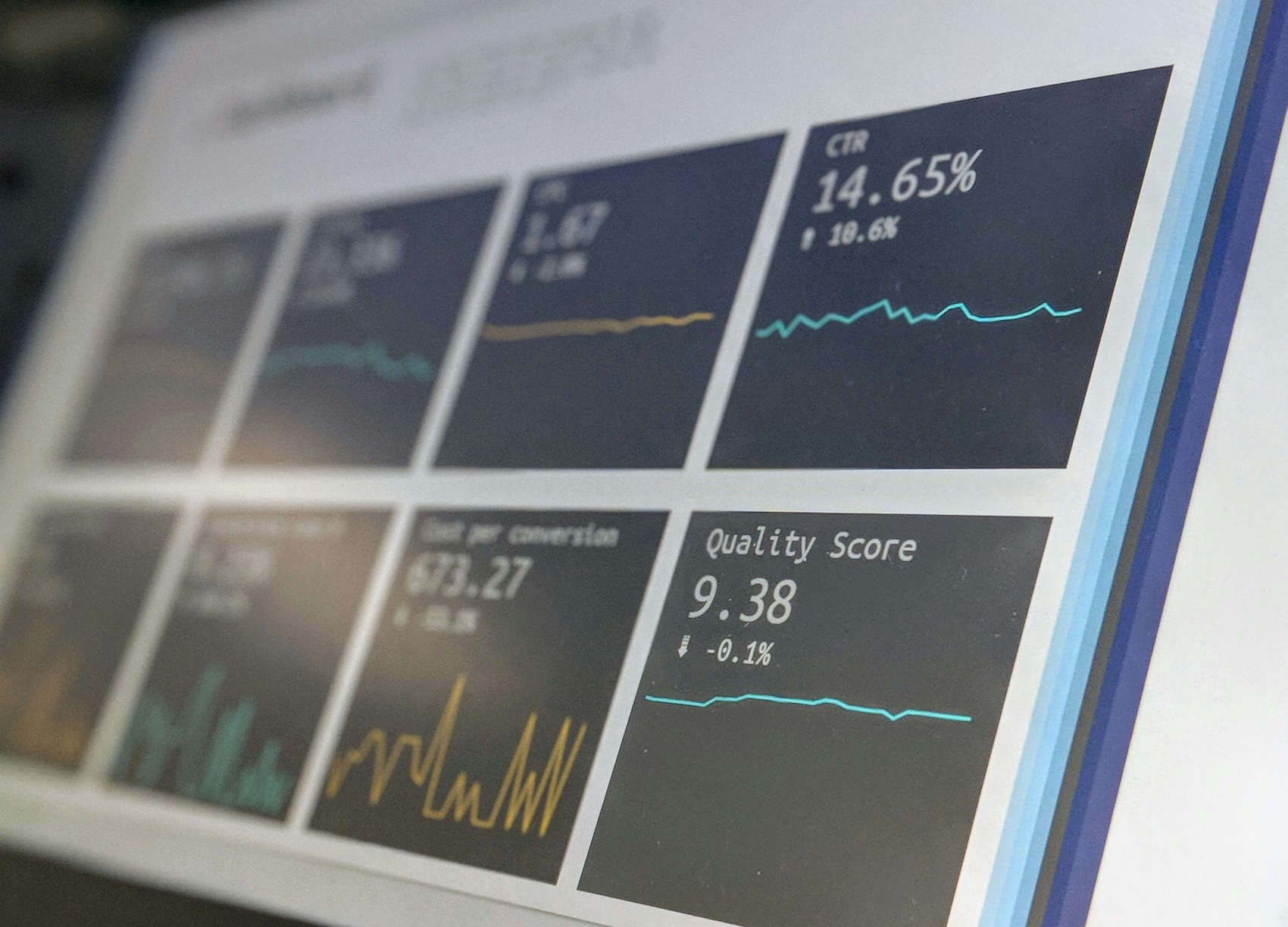
Marketing reports can often look reassuring without being useful. A dashboard full of charts might appear as if everything is under control. But when the meeting ends, many businesses are left with the same question: what does any of this actually mean for us?
We unfortunately see this a lot. Usually the problem isn’t a lack of data, it’s a lack of meaning and structure. Clients are often expected to delve through pages and pages of numbers, but with little to no context. No specifics on what’s working, what’s not working and how to change it.
That’s why we see reporting as a decision making tool and not a monthly recap. Marketing reports shouldn’t just tell you what happened, it should help make marketing decisions for the future.
Goals first, everything else second
The best reports begin with the outcomes you’re working towards. That could be, but isn’t limited to:
– Enquiries
– Improved revenue
– Traffic
Your report should start with the progress of your KPIs, and those should be tailored to your specific objectives.
For example, a lead generation campaign should not be measured in the same way as an ecommerce campaign. SEO reporting should not look exactly the same as paid media reporting either.
Different objectives need different KPIs, because success will not look the same for every channel or campaign.

Is your ad spend actually working?
Not every marketing channel plays the same role, so not every report should look the same.
A strong PPC (pay-per-click) report will usually focus on spend, efficiency, conversion rate, cost per lead, and return. A strong SEO report is more likely to focus on visibility, high-intent traffic, and how organic performance supports longer-term growth.
PPC reports should make it clear where the strongest returns are coming from, showing which campaigns are generating valuable leads and which are struggling to justify spend. One of the advantages of paid media is that results can usually be traced with precision.
That means reporting can go beyond headline numbers and show exactly where conversions are coming from, including the date and time an enquiry came in, campaign, ad group, and keyword where relevant. This gives clients a clearer view of what’s driving leads and makes ROI much easier to track back to specific activity.
It also makes campaign conversations more useful. If a lead turns out to be lower value, we can reduce focus on the campaign or keyword behind it. If it’s a strong lead, we can use that feedback to invest more confidently in the areas delivering the best return.
Audience insights
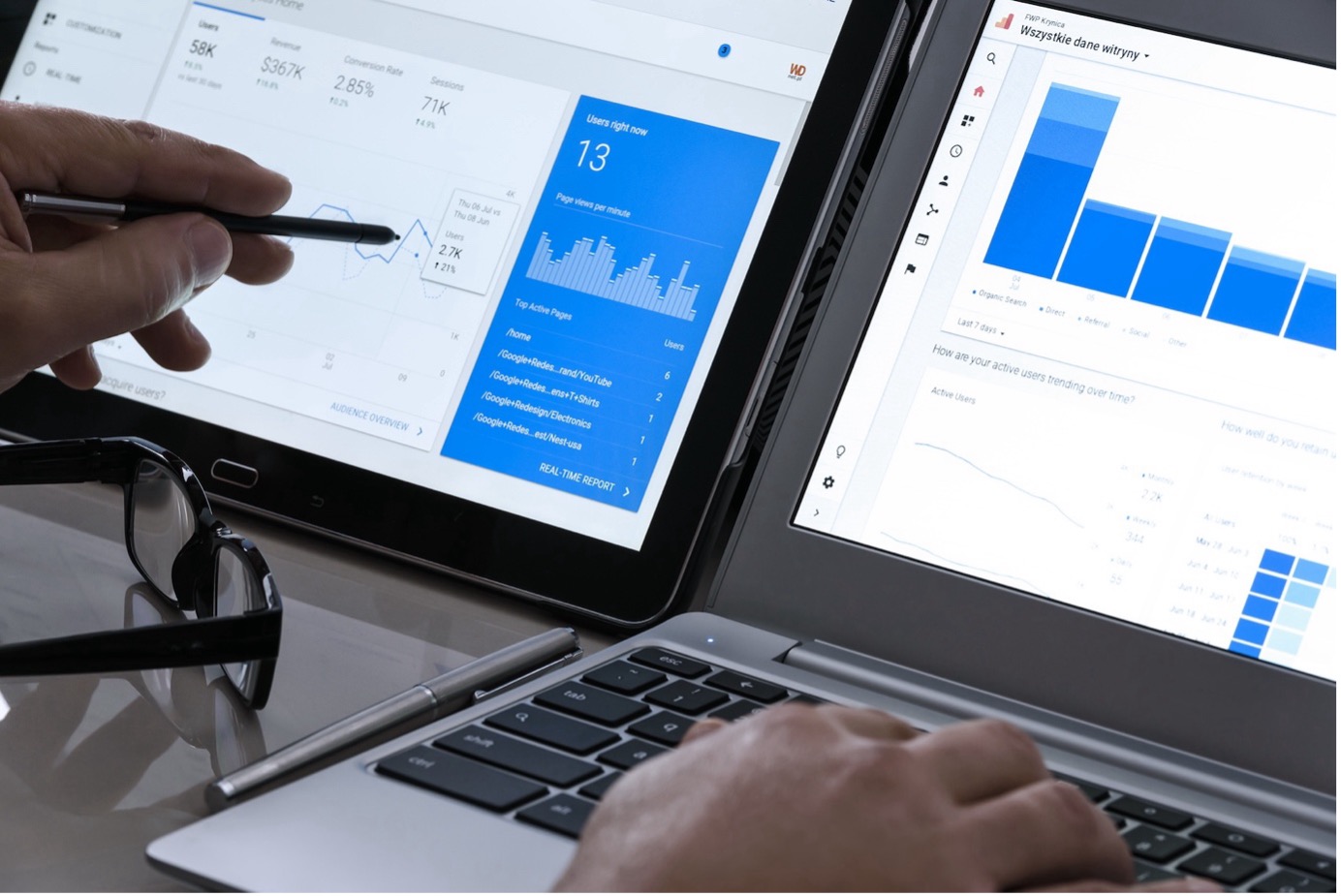
Reporting should go beyond performance and start revealing insight, more about who is engaging with your marketing. In our reports we include audience insights such as:
– Age ranges
– Locations
– Gender insights
These all help identify your audience and tailor your marketing approach to them. This is where reporting becomes genuinely valuable. It stops being a record of activity and starts helping you understand your customers better.
Good reporting should be accessible, not locked away
While most reports are run through once a month in a meeting, that doesn’t mean it shouldn’t be easy to access.
At Brace, instead of waiting for a monthly summary, clients can check performance whenever they want through real time reporting and keep a clearer view of what’s happening throughout the month.
Monthly reporting meetings still matter. They give space to talk through performance properly, answer questions, and add context around what the numbers mean. But having access to live reporting in between those conversations gives clients more visibility, more confidence, and fewer surprises.
Struggling with your reports?
At Brace, we build reporting around outcomes. We focus on what matters commercially, translate performance into insight, and make sure every report has direction.
We’re not interested in reports that simply look polished, they need to be genuinely useful. If your current reporting leaves you with more questions than answers, we can help you improve tracking, bring more clarity to the data, and build a reporting approach that properly supports growth. Because not every business needs to see the same numbers, our reports can be tailored around the metrics that matter most to you, so you’re not sifting through data that has little relevance to your goals.
Speak to our team, and we’ll show you what your reporting should look like and what you can learn from it.